
Horror Movie Trivia Quiz
By James Haddon · Updated July 2026
Researched and written with the help of AI tools and reviewed by James Haddon for accuracy.
Horror cinema has produced some of the most technically inventive films ever made — and some of the most culturally revealing ones. When Alfred Hitchcock released Psycho in 1960, he did something unprecedented: he personally barred late entry to every cinema showing it, forcing audiences to watch from the beginning. He also killed his apparent star in the first act. Both decisions were radical. Both changed film forever.
This quiz covers thirteen questions spanning six decades of horror: iconic directors, unforgettable villains, defining moments, and the films that redefined what the genre could do.
Think you know your horror history? Tap "Start Quiz" and find out.
Key Takeaways
- •Alfred Hitchcock's Psycho (1960) invented many conventions of modern horror and is considered the first modern slasher film.
- •John Carpenter's Halloween (1978) was made for $300,000 and earned over $70 million worldwide, launching the slasher era.
- •Jordan Peele became the third filmmaker in Oscar history to win Best Original Screenplay for their directorial debut with Get Out (2017).
- •The Blair Witch Project (1999) cost around $60,000 to make and grossed nearly $250 million — one of the most profitable films ever made.
- •Ari Aster's Hereditary (2018) is widely regarded as one of the most terrifying films of the 21st century by critics and horror fans alike.
The birth of modern horror
Modern horror as we know it was largely shaped in two pivotal decades. The 1960s gave us Psycho (1960) and Rosemary's Baby (1968) — psychological chillers that shifted the genre away from monsters and toward deeply human terrors: violence behind closed doors, paranoia, and the horror of the ordinary. Hitchcock's Psycho in particular shattered taboos around on-screen violence and killed its apparent heroine in the first act — a move so shocking it changed how audiences approached films forever.
The 1970s then exploded the genre into mainstream popularity. The Exorcist (1973) became a genuine cultural event — people reportedly fainted in cinemas — while Jaws (1975) invented the summer blockbuster model and Halloween (1978) codified the slasher formula that would spawn hundreds of imitators.
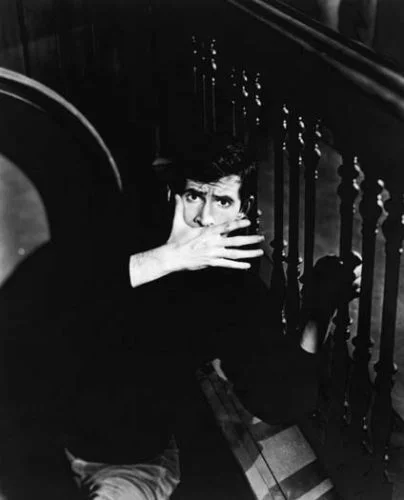
Did you know?
Alfred Hitchcock personally barred late entry to every cinema showing Psycho — an unprecedented move at the time. He also ran the ad campaign himself, standing outside theatres to personally turn latecomers away. The policy was a marketing masterstroke that made audiences feel the film was a special event.
Horror's golden eras and reinventions
- •1960s: Psychological horror — Psycho, Rosemary's Baby, The Birds
- •1970s: Gore and the supernatural — The Exorcist, The Shining, Halloween
- •1980s: Slasher boom — Friday the 13th, A Nightmare on Elm Street, Hellraiser
- •1990s: Self-aware meta-horror — Scream, The Silence of the Lambs, The Blair Witch Project
- •2010s–present: Arthouse and social horror — Hereditary, Get Out, Midsommar, The Witch
Why horror matters
Horror films allow audiences to process fear, grief, social anxiety, and the unknown in a controlled environment. The genre consistently reflects its era: the atomic-age monster movies of the 1950s mirrored Cold War dread, slashers of the 1980s engaged moral panics about youth culture, and 2010s social horror directly addressed race, class, and generational trauma. Horror is never just about scares — it's one of cinema's most sociologically honest genres.
Did you know?
The Silence of the Lambs (1991) is one of only three films in Oscar history to win all five major Academy Awards — Best Picture, Director, Actor, Actress, and Adapted Screenplay. The other two are It Happened One Night (1934) and One Flew Over the Cuckoo's Nest (1975).
Related Quizzes
From Casablanca to Avatar — test your full film knowledge.
Ultimate Movie TriviaAre you a truth-seeker, an enforcer, or something more complicated?
What Silo Character Are You?